Objekt 2203
Arriving and staying – Migration and integration
Description
In 2018 foreigners made up 36% of Basel City’s population
Shortly before the First World War, 38.6% of citizens in the canton were foreigners, the highest share ever recorded.
In Basel there are some 200 restaurants offering international cuisine.
The Hörnli Cemetery has provided special burial plots for persons of the Islamic faith since 2000.
People from some 90 nations work in the University Hospital Basel.
Of the 1,571 children who entered kindergarten in 2017, 40% were obliged to receive mandatory language support in German.
Some 34,400 persons commute cross-border to work in Basel.
The largest group of foreigners in Basel are German citizens, followed by persons from Italy and Turkey.
The so-called Welschenerlass of 1546 prevented foreigners from being granted Basel civic rights. An exception to this was those who were ‘rich or artistic’.
After German, English is the most-spoken language for daily use in Basel.
806 Swiss moved abroad from Basel in 2017.
In 2017 one single person from Turkmenistan lived in Basel.
Object description
<h4>From Isfahan to Basel</h4>
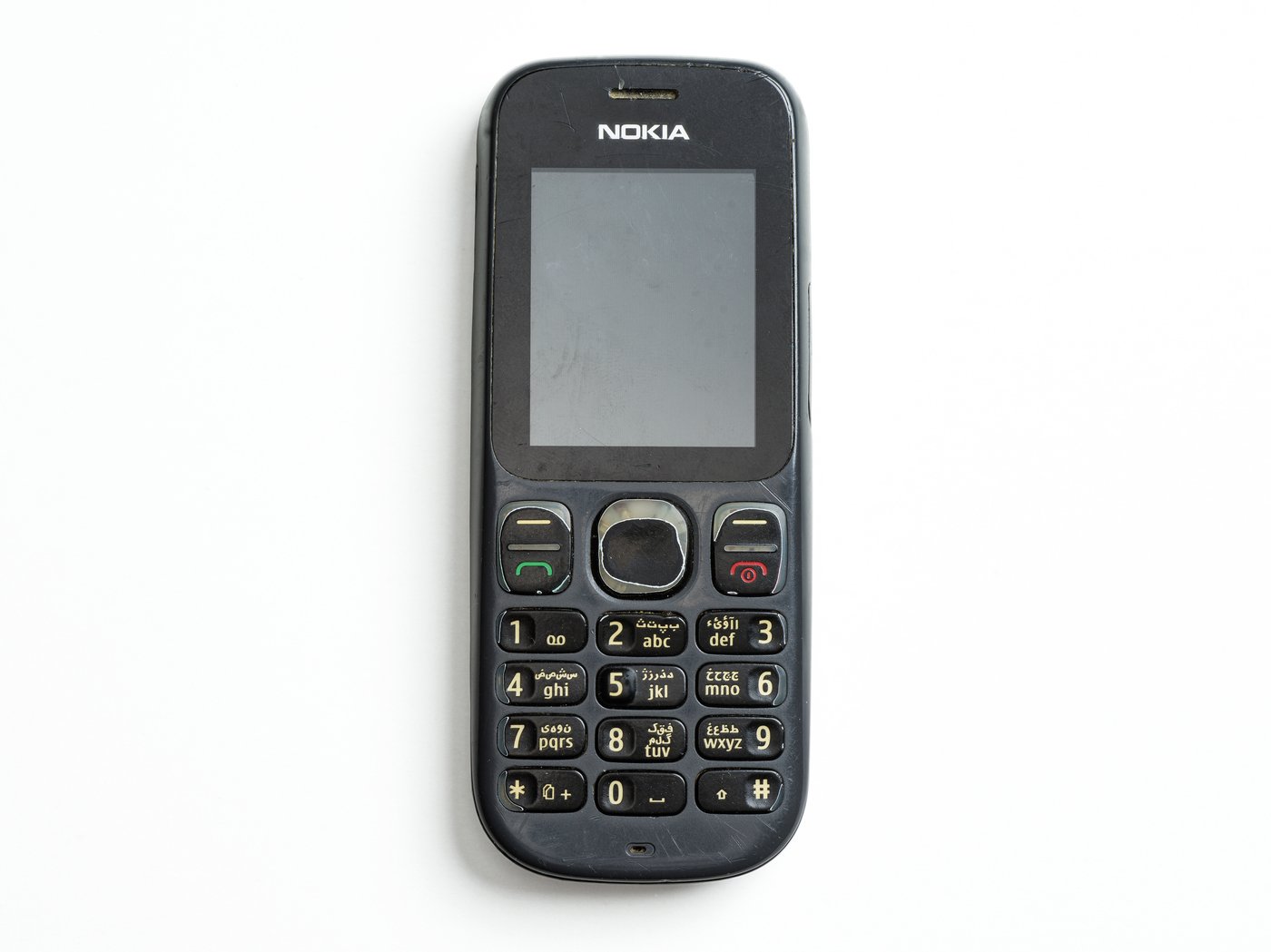
<p>This mobile phone was in the possession of a teenager when he fled Iran in
2015. With it he could keep in touch with his friends back home, who had
to repeatedly send him money for traffickers. He covered the distance to
Turkey on foot, on open trucks and in cars and finally, via the Aegean
and the Balkan route, reached Hamburg. When on his way to friends in
Southern Germany, he fell asleep on the train and only woke up at the
German railway station in Basel. The young man was allowed to stay in
Switzerland and has been building a new life for himself ever since.</p>
<p class="adddivider">
<span>Mobile phone Nokia 101 with telephone keys with Roman letters and Farsi</span>
<span>manufacturer: Nokia</span>
<span>India, around 2010</span>
<span>synthetic</span>
<span>donation</span>
<span>Inv. 2019.337.</span>
</p>